Ed “Big Daddy” Roth: The Godfather of Kustom Kulture
The Rise of Rat Fink in Popular Culture
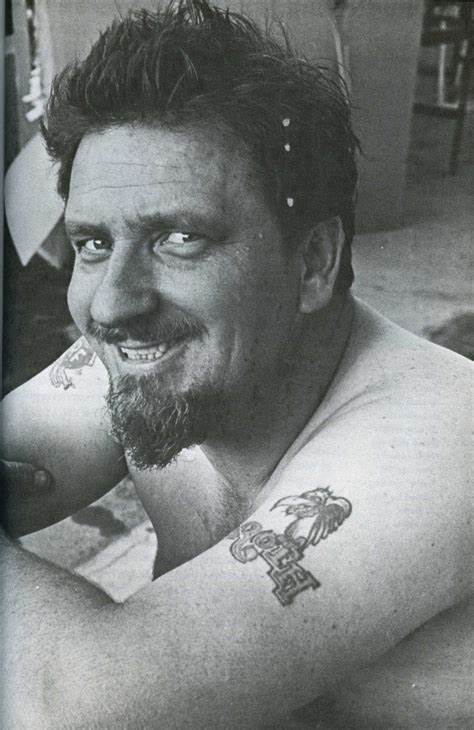
Ed “Big Daddy” Roth was an American artist, cartoonist, and custom car builder whose work helped define an entire era of hot rod culture. Born March 4, 1932, in Beverly Hills, California, Roth grew up in Bell, California, the son of German immigrants Henry and Marie Roth. His father, a cabinet maker by trade, kept a workshop at home, and it was there that a young Ed first learned to build things with his hands — a skill that would later translate directly into his custom car and fiberglass work. School wasn’t always easy for him; growing up during World War II in a German-speaking household made him a target for teasing, and Roth found an outlet by filling notebooks with drawings of airplanes, hot rods, and the strange, exaggerated monsters that would eventually make him famous.
Roth bought his first car, a 1933 Ford coupe, in 1946, and by 1949 he’d graduated high school and enrolled in college to study engineering, hoping to sharpen his understanding of automotive design. College didn’t hold his attention for long — the theoretical side of engineering and physics felt disconnected from the cars he actually wanted to build. He eventually served in the United States Air Force before diving fully into custom car culture in Southern California during the early 1950s, right as fiberglass was emerging as a revolutionary material for building show cars.
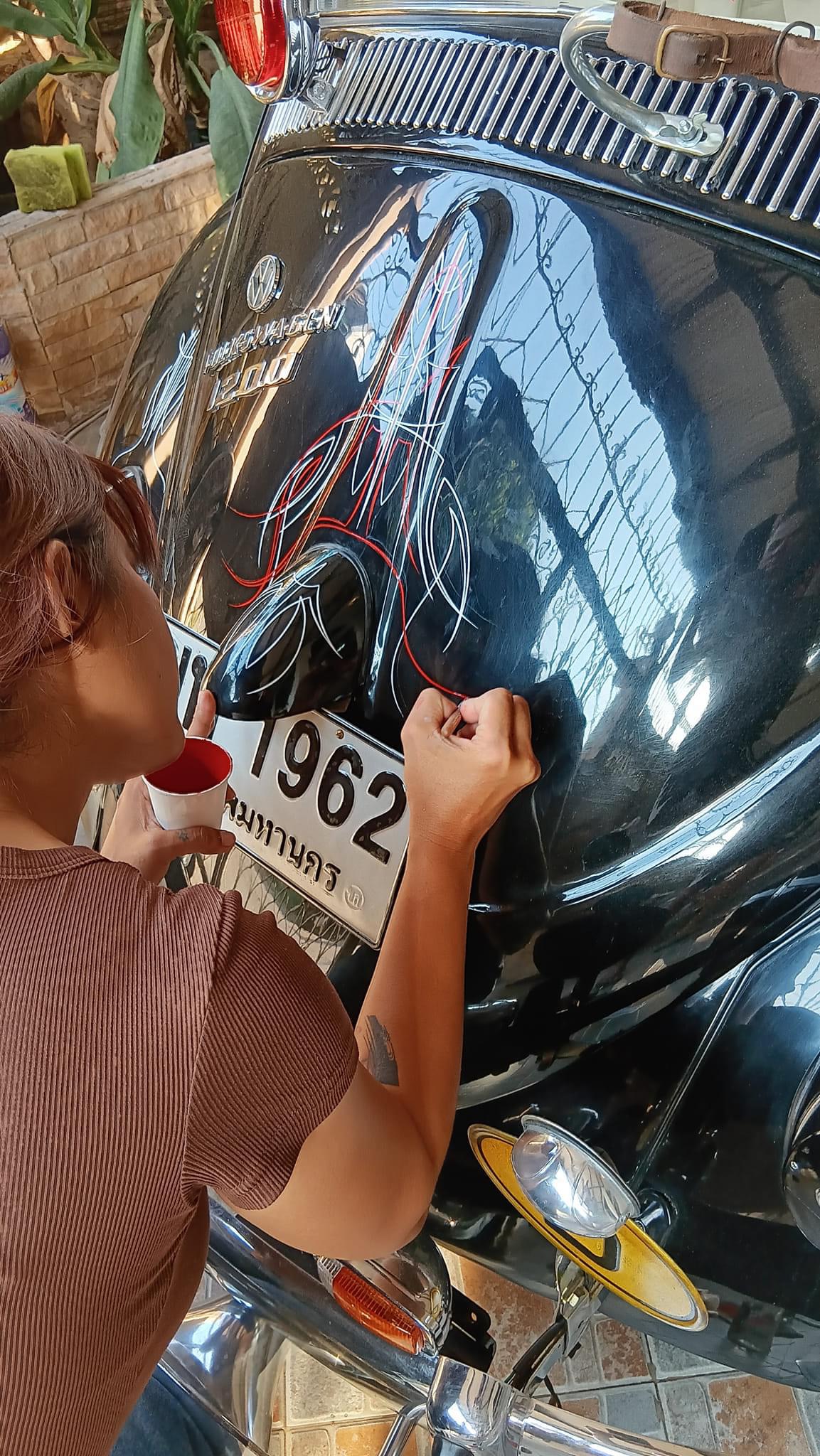
Roth quickly became a central figure in what would come to be known as the Kustom Kulture movement — a scene built around radically customized cars, motorcycles, and an aesthetic that leaned hard into rebellion, absurdity, and individuality. His own custom builds, including the Beatnik Bandit, Outlaw, Mysterion, and Rotar, became showpieces on the car show circuit throughout the 1960s, admired as much for their sculptural, futuristic design as for their engineering. Interestingly, before any of that, Roth spent time working pinstripes and paint jobs alongside other Southern California painters — a 1958 business card even lists him as part of “Baron, Roth and Kelly,” a trio of pinstripers whose lineage runs directly through the custom paint world that brushes like the Kelly-Mack still honor today.
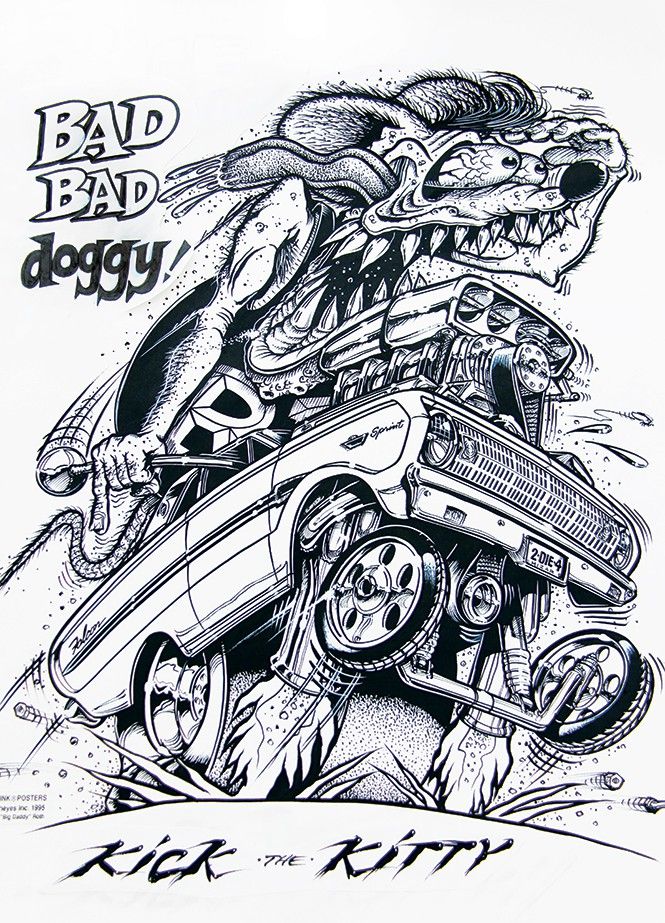
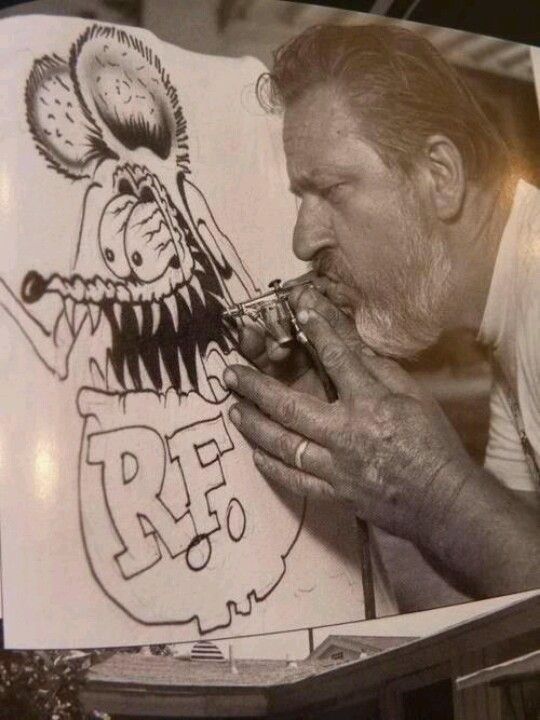
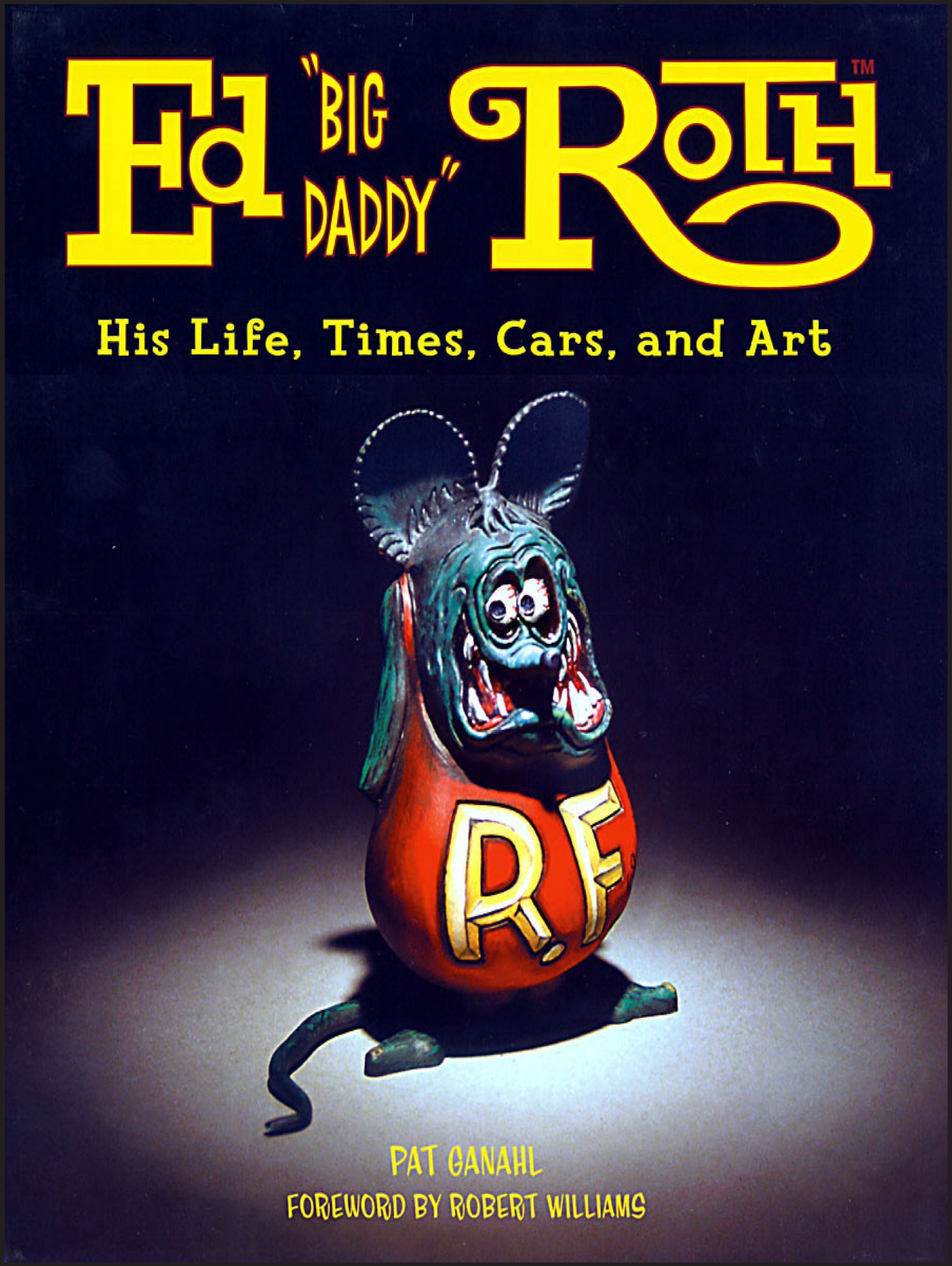
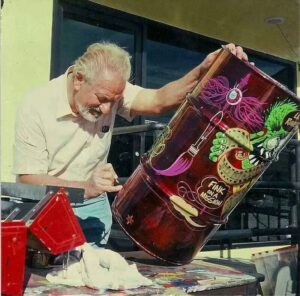
But it was a character, not a car, that made Roth a household name. Rat Fink began as a simple sketch Roth kept taped to his refrigerator — a deliberately grotesque, bug-eyed, oversized rodent conceived as the direct opposite of Mickey Mouse’s clean-cut, wholesome image. Roth first advertised Rat Fink in a car magazine in 1963, and the response was immediate. Teenagers across the country lined up at car shows to buy his airbrushed monster t-shirts, and by the time Revell began producing plastic model kits of Rat Fink and his fellow “gang” — including Drag Nut, Mother’s Worry, and Mr. Gasser — Roth’s operation had outgrown his garage entirely, forcing him to open a larger shop in Maywood, California, and hire staff to keep up with demand.
Roth’s creative reach extended well beyond cars and t-shirts. He recorded novelty music under the name “Mr. Gasser and the Weirdos,” dabbled in underground comics, and became an unlikely influence on generations of counterculture artists and musicians — from punk bands who used his artwork on album covers to admirers like Rob Zombie, who has cited Roth as a formative influence on his own visual style.
Ed “Big Daddy” Roth passed away on April 4, 2001, following a heart attack, but his influence on custom car culture, lowbrow art, and pinstriping has never faded. Rat Fink remains one of the most recognizable images to come out of American hot rod culture, and Roth’s fingerprints are still visible everywhere — in the paint on custom cars, in tattoo shops, in gallery exhibitions, and in the pinstriping brushes carried forward by the artists who learned the trade the same way he did: by hand, one line at a time.
Other artist